Over the past year, Slack has been changing in a way that many business owners haven’t fully noticed yet.
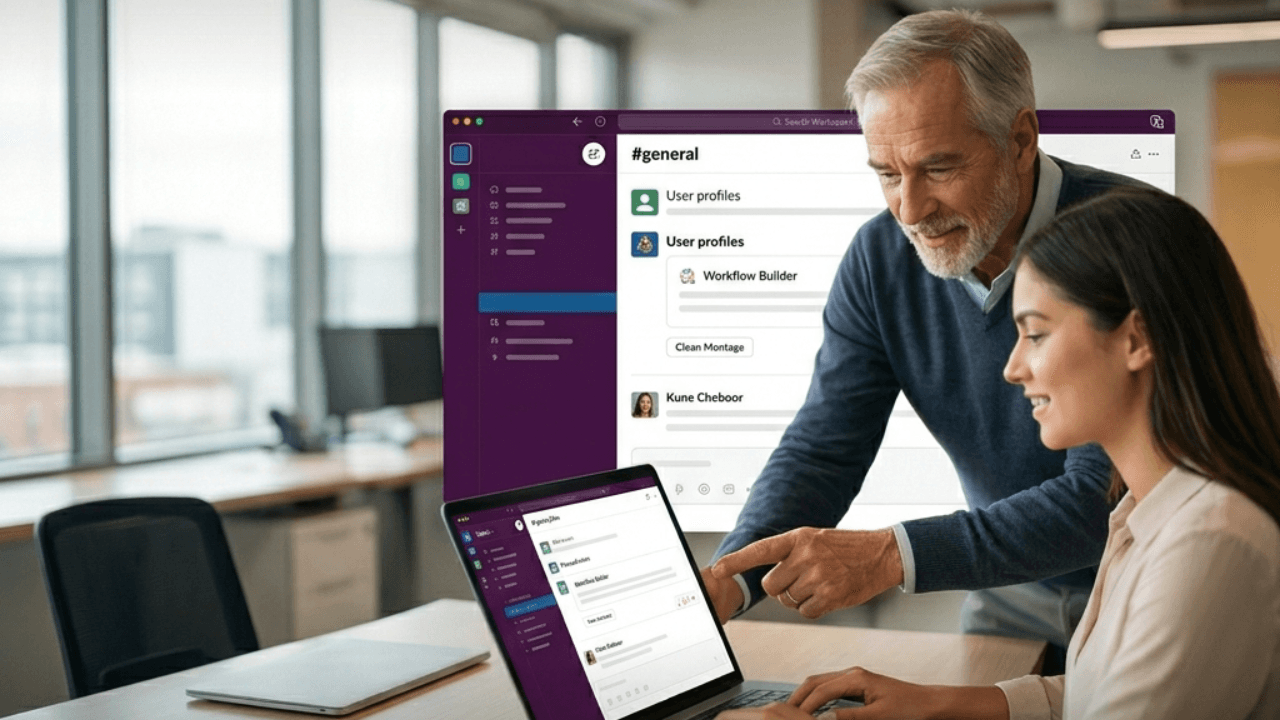
It’s no longer just a messaging tool. Slack is slowly becoming a central workspace where conversations, customer data, automation, and AI all come together.
If your team uses Salesforce, these changes are especially important. Slack is moving closer to the role of a collaborative layer on top of your CRM, where real work actually happens.
Here’s a practical breakdown of the most relevant updates and what they mean for growing teams.
A new Activity view to reduce noise
Slack introduced a redesigned Activity view that brings all notifications into one place. Direct messages, mentions, and reminders now live in a single feed instead of being scattered across the interface.
For teams, this means less time spent jumping between sections and more clarity on what needs attention.
It’s a small change on the surface, but it solves one of the most common complaints about Slack: too many notifications and no clear priority.
Slackbot becomes an AI assistant
Slackbot has evolved from a simple helper into a workspace-wide AI assistant.
It can now search across conversations, documents, and connected tools to answer questions or retrieve information. Instead of asking colleagues where a file lives or digging through old threads, users can simply ask Slackbot.
For fast-moving teams, this reduces interruptions and keeps people focused on their work.
AI agents working directly inside channels
One of the most significant updates is the introduction of AI agents that can participate directly in Slack channels.
These agents can:
Answer questions
Generate content
Assist with routine tasks
Support workflows across connected tools
This turns Slack into an environment where AI is part of daily operations, not a separate platform that people have to log into.
For sales and operations teams, this opens the door to faster responses, automated updates, and better access to information.
Salesforce data available inside Slack
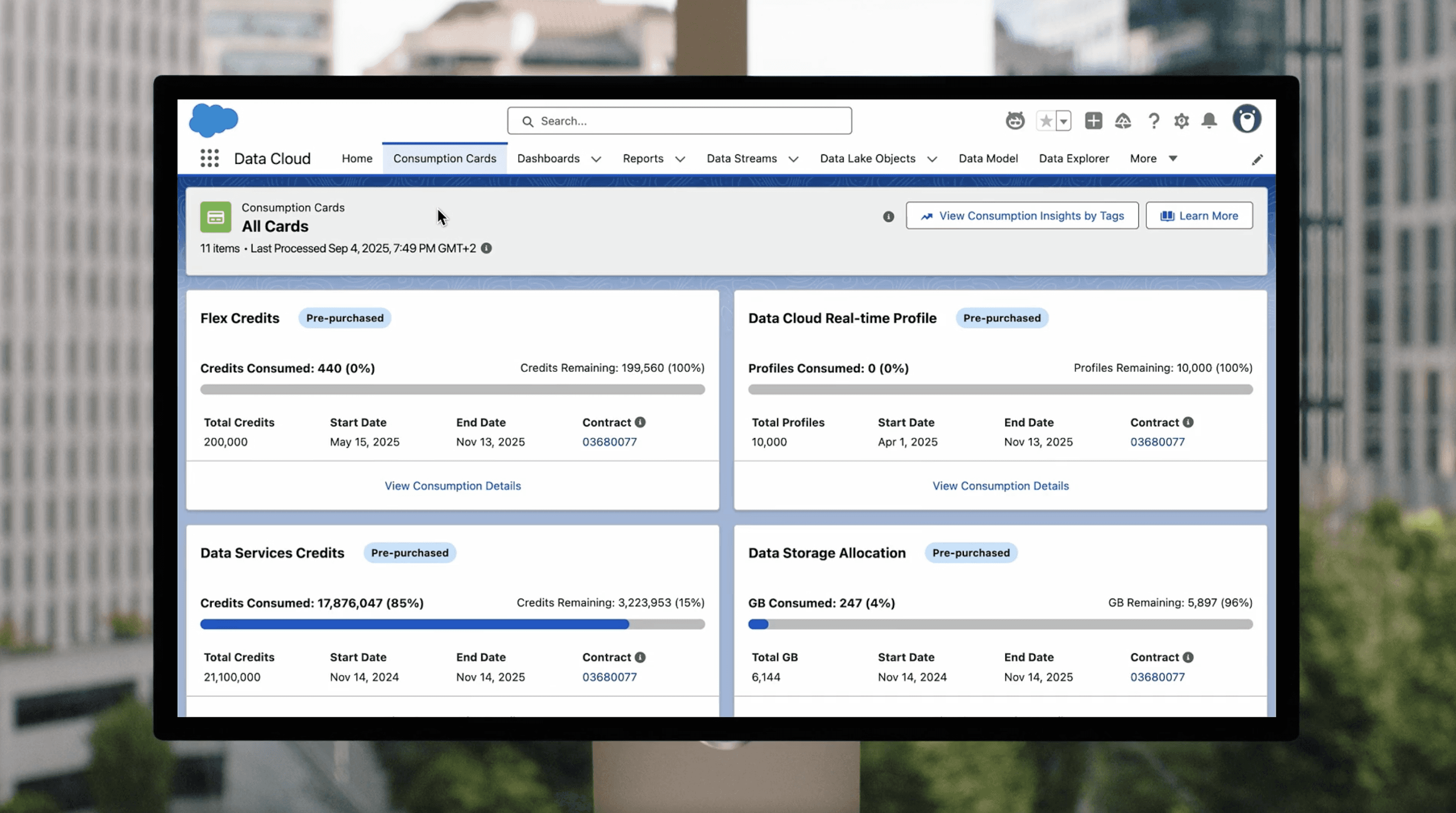
Slack continues to deepen its connection with Salesforce, and this is where things get especially interesting for business teams.
Recent updates allow:
Real-time Salesforce data inside Slack canvases
Dedicated channels connected to Salesforce records
Customer contact management directly in Slack
This means teams can review account information, discuss deals, and take action without switching between tools.
For many companies, the biggest delays in the sales process happen between conversations and CRM updates. These features help close that gap.
Smarter workflows and automation
Slack has also expanded its workflow capabilities.
New features include:
Conditional and nested workflow logic
Workflows triggered by keywords in channels
AI-generated workflows created from simple prompts
These updates make it easier to automate approvals, internal requests, and routine processes without complex technical setup.
For smaller teams without a large IT department, this is a major step forward.
The bigger picture: Slack as a business operating system
If you look at these updates together, a clear pattern emerges.
Slack is no longer just a place for conversations. It is becoming a workspace that combines:
Team communication
Customer data
Automation
Knowledge search
AI assistance
For companies using Salesforce, this creates a powerful setup. Salesforce holds the structured data, while Slack becomes the place where decisions, discussions, and actions happen in real time.
Instead of jumping between tools, teams can work from a single environment.
When a Slack and Salesforce integration makes sense
This approach usually works best when:
Sales, marketing, or service teams rely heavily on Salesforce
Most internal communication already happens in Slack
Leadership wants better visibility into deals and accounts
Teams struggle with too many tools and constant context switching
In these cases, connecting Slack and Salesforce can simplify operations and speed up execution across the company.
Final thoughts
Slack’s recent updates are not just feature releases. They reflect a larger shift toward AI-assisted, conversation-driven work.
For teams already using Salesforce, the opportunity is clear: bring customer data into the place where conversations already happen.
That’s where deals move forward, decisions get made, and real work happens.