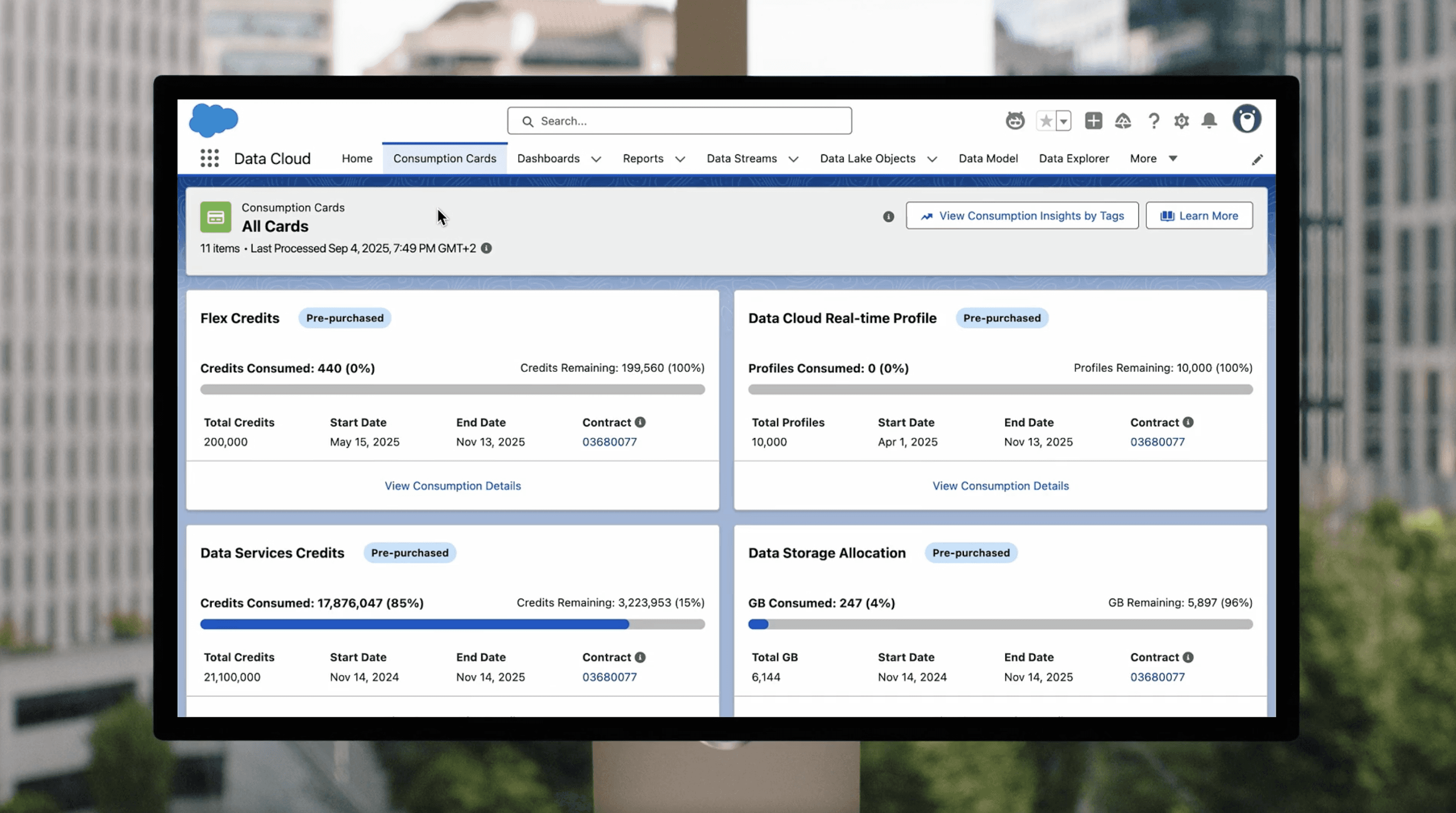
Many small and mid-sized organizations invest in Salesforce expecting clarity, structure, and scalability.
Instead, what they often experience is confusion, low adoption, and the feeling that the system is underused or disconnected from how the team actually works.
The issue is rarely Salesforce itself.
In most cases, the real problem is the lack of clearly defined processes behind it.
Salesforce doesn’t fix chaos by itself
Salesforce is one of the most flexible CRMs available. That flexibility is powerful, but without structure, it quickly becomes a limitation.
When processes aren’t clearly defined, Salesforce often turns into:
A contact database with incomplete information
A task tracker no one fully trusts
A reporting tool that looks good but doesn’t support real decisions
We see this pattern repeatedly in growing SMBs and nonprofits that are busy, active, and well-intentioned, yet still struggling with visibility.
The hidden cost of unclear processes
When processes live in people’s heads instead of inside a system, problems compound over time.
Teams begin to rely on memory instead of structure, which leads to:
Inconsistent follow-ups
Reporting that feels reactive or unreliable
Difficult onboarding for new team members
Leadership decisions based on intuition instead of data
This is usually when we hear comments like:
“We have Salesforce, but we don’t really use it.”
“Everything still lives in spreadsheets.”
“Only one or two people actually know how things work.”
These are not technology problems.
They are process problems.
Why this becomes visible as organizations grow
Early-stage teams can survive without formal processes.
As volume increases, that approach breaks down.
More leads, more donors, more clients, and more internal handoffs introduce complexity that manual tracking can’t handle.
At this point, organizations often try to solve the issue by adding:
More custom fields
More automations
More tools
Without first answering a much simpler question:
How should this process actually work?
Salesforce needs a process to support
A successful Salesforce implementation starts outside the platform.
Before thinking about objects, fields, or automation, teams need clarity on:
What happens first, second, and third
Who owns each step
What decisions need to be made along the way
What information truly matters at each stage
Once that is defined, Salesforce can reflect reality instead of trying to impose structure where none exists.
Common signs your processes aren’t clear yet
If any of the following sound familiar, process clarity is likely missing:
Sales or development stages are unclear or frequently skipped
Reports don’t match leadership expectations
Team members avoid logging activity
Automations feel fragile or overcomplicated
Every new request turns into a “custom solution”
These signals usually indicate a lack of structure, not a failing CRM.
The good news
Clear processes don’t require complexity.
They require intention.
When processes are defined thoughtfully, Salesforce can:
Reduce manual work
Improve consistency across teams
Increase visibility and accountability
Support growth without adding chaos
But everything starts with understanding what a good process actually looks like.
What’s next
This article is the first in a short series focused on process design, adoption, and making Salesforce work for growing teams.
In the next article, we’ll break down what a well-designed sales or operational process actually looks like and how to define it before touching Salesforce.
That’s where clarity begins.